Even when frost settles over the fields and the garden feels quiet, there is still plenty of life happening beneath the surface. With a little planning and the right cold-loving crops, you can keep growing food well into winter. A winter garden feels calm and steady, and it’s a comforting way to stay connected to the land when daylight is short. Here’s how to keep your beds productive through the chilly months.
Why Garden in the Winter?
Winter gardening has its own kind of ease. Fewer pests, gentler watering needs, and crops that become sweeter after a frost all work in your favor. There’s something lovely about gathering fresh greens in December, and the cold air gives many vegetables a flavor you can’t get any other time of year.
Step-by-Step: Setting Up Your Winter Garden
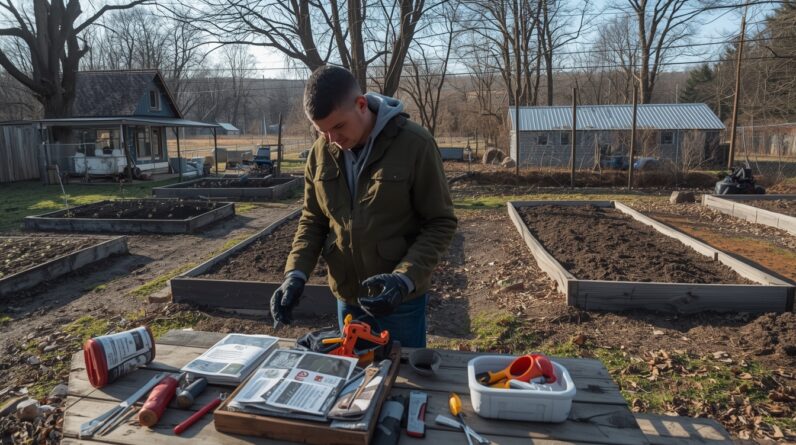
Before planting, give your winter garden a little extra care.
- Know your growing zone so you can choose the right crops.
- Pick a sunny spot, especially one facing south.
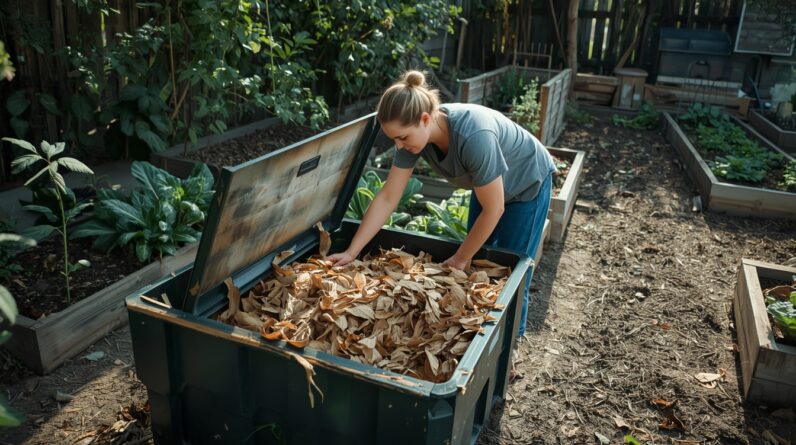
- Feed the soil with compost so plants stay nourished through cold days.
- Use simple season extenders like row covers or old windows turned into cold frames.
- Add mulch around plants to keep the soil warmer and moist.
Once your space is prepared, you can turn your attention to plants that love the cold.
1. Leafy Greens – Gentle Winter Survivors
Spinach, kale, and Swiss chard handle cold weather beautifully. Spinach grows especially sweet after frost settles on it. Sow these greens in fall, tuck them under a bit of cover, and enjoy regular harvests all winter.
2. Root Vegetables – Sturdy and Slow-Growing
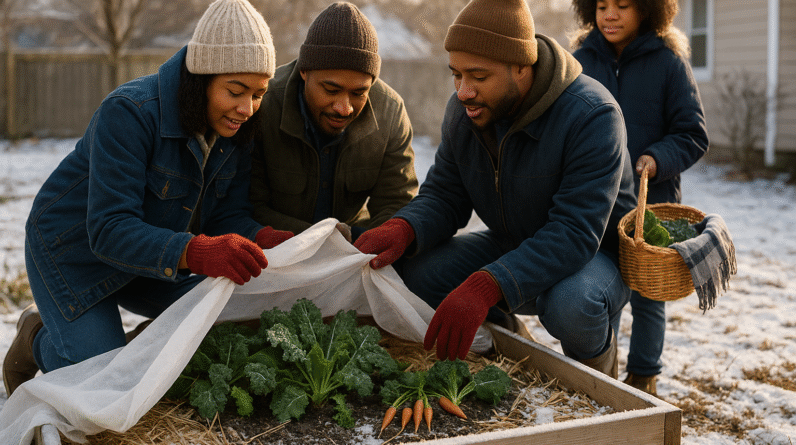
Carrots, beets, parsnips, and turnips store themselves naturally in the ground. Mulch them well, and you can dig up what you need throughout winter. Their flavor deepens as temperatures drop.
3. Garlic – A Plant That Loves the Cold
Garlic rests quietly through winter, gathering strength for spring. Plant cloves in late fall, mulch heavily, and let them sleep. Hardneck varieties handle cold climates particularly well.
4. Onions and Shallots – Patient and Hardy
These slow growers do well when planted before the soil freezes. They spend winter settling in, then burst into growth as soon as warmth returns. Sets or seedlings make the process simple.
5. Mâche and Claytonia – Hidden Winter Gems
These tender greens thrive in cold frames or simple covered beds. Mâche and claytonia stay soft and mild even when temperatures sink, giving you salads when the garden seems bare.
6. Cabbage and Brussels Sprouts – Frost-Friendly Brassicas
If started early enough, these sturdy crops can carry through winter. Frost brings out their sweetness. Row covers help them handle the harsher stretch of the season.
7. Herbs That Don’t Mind the Chill
Parsley, thyme, and chives can survive mild winters outdoors or grow happily in small containers you bring inside. Snip as needed for soups and roasts.
How to Protect Plants from Winter Weather
- Cold frames made from old windows trap warmth.
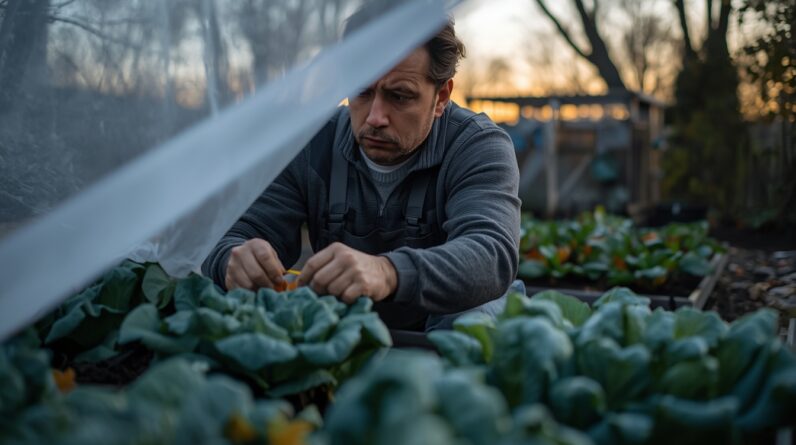
- Row covers offer steady protection from wind and frost.
- Mulch keeps soil temperatures stable.
- Greenhouses or tunnels help with larger winter gardens.
Troubleshooting Common Winter Garden Issues
- Frozen soil can be helped by raised beds or dark covers that capture sunlight.
- Low light calls for crops that tolerate dimmer days.
- Snow buildup should be brushed off covers so light can reach plants.
Container Gardening in Winter
If you’re working with pots, choose larger containers with good drainage. Wrap them for insulation and move them into sheltered spots during deep freezes. Water lightly but consistently. Even a porch or garage window can host a small winter harvest.
Conclusion: Winter Growing for Year-Round Self-Sufficiency
Winter gardening isn’t about pushing the season. It’s about working with what the cold offers. With a handful of hardy crops and a steady approach, you can gather fresh greens and roots even under a blanket of snow. Stepping outside on a crisp morning and bringing in a handful of fresh produce is one of winter’s quiet joys.