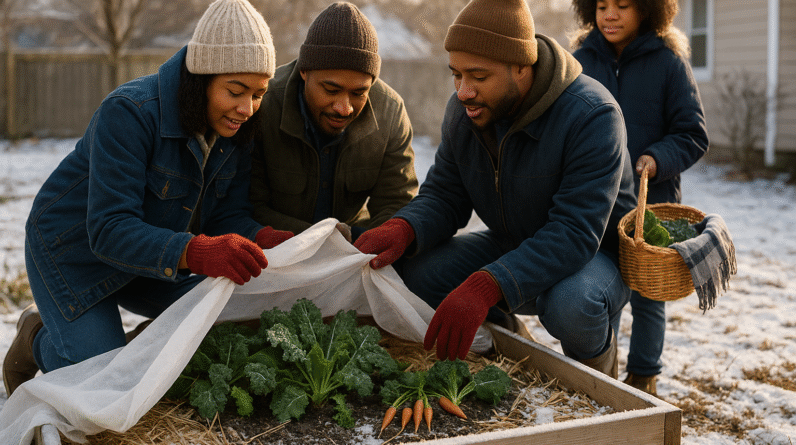
Late winter is a strange time on a homestead.
The garden beds are still quiet. The ground might still be frozen in places. And the busy growing season hasn’t quite started yet.
But experienced homesteaders know something important about this time of year.
It’s the perfect window to practice skills.
Once spring arrives, things move quickly. Seeds need planting. Garden beds need tending. Animals require daily care. The long list of projects starts growing fast.
That’s why many homesteaders use these last weeks before spring to sharpen a few practical skills that will make the rest of the year run more smoothly.
Here are several skills worth practicing while winter is winding down.
1. Starting Seeds Indoors
Many crops benefit from being started indoors before outdoor temperatures warm up.
Learning how to start seeds properly can dramatically improve garden success later in the season.
Key things to practice include:
- using seed trays or starter cells
- keeping soil evenly moist
- providing enough light for seedlings
- thinning crowded plants
Even a small indoor seed setup near a window can produce strong seedlings ready for transplanting once the weather improves.
2. Tool Maintenance
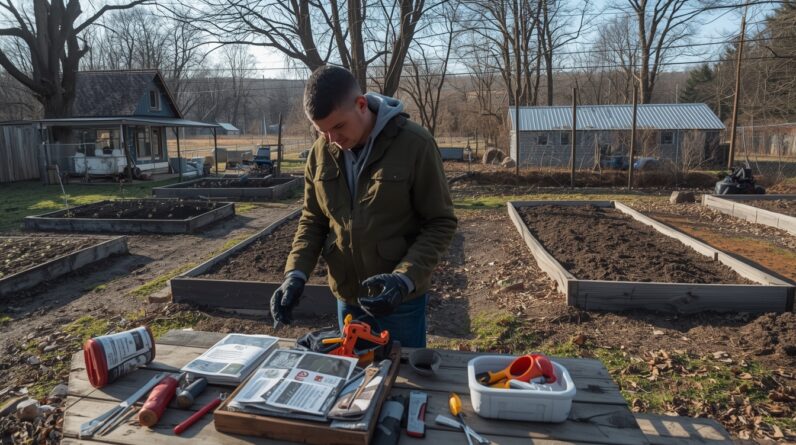
Winter is also the perfect time to take care of tools that will see heavy use in the coming months.
Garden tools tend to accumulate dirt, rust, and dull edges after a full growing season.
A little maintenance now makes them far more effective later.
Simple maintenance tasks include:
- sharpening shovels and hoes
- oiling wooden tool handles
- cleaning and sharpening pruning shears
- tightening loose tool heads
Well-maintained tools make spring work easier and safer.
3. Planning the Garden Layout
A little planning now can prevent many headaches later.
Before the planting season begins, it helps to think through questions like:
- Which crops grew best last year?
- Where should crop rotation happen?
- Which beds need compost or soil improvements?
Some gardeners sketch simple maps of their beds or write notes about planting schedules.
This small amount of planning often saves hours of confusion once planting season begins.
4. Practicing Food Preservation Skills
If you plan to grow or harvest food later in the year, now is a good time to practice preserving techniques.
Many beginners wait until the harvest is already coming in before learning these skills.
But practicing earlier can make the real harvest season far less stressful.
Skills worth practicing include:
- water-bath canning
- dehydrating fruits and vegetables
- freezing produce properly
- labeling and organizing stored food
Even small practice batches help build confidence before large harvests arrive.
5. Repairing Garden Structures
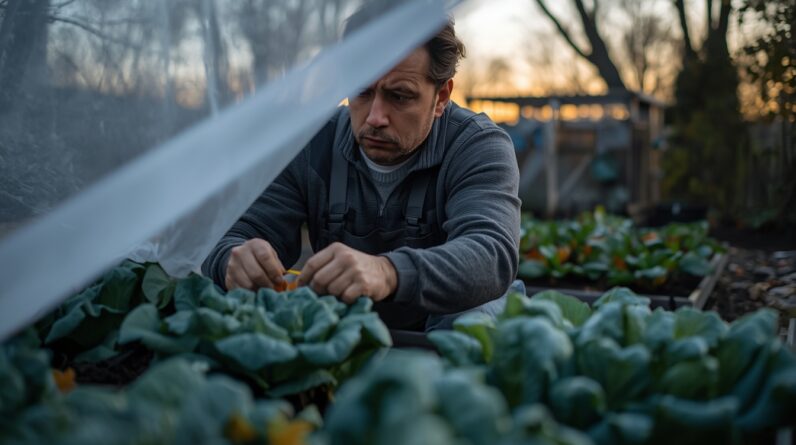
Garden beds, fences, trellises, and gates often suffer small amounts of damage during winter storms.
Late winter is a great time to walk the property and inspect these structures.
Look for things like:
- loose boards in raised beds
- damaged trellises
- sagging garden gates
- worn fencing
Small repairs now prevent bigger problems when the growing season is already underway.
6. Compost Preparation
Healthy soil is the foundation of every productive garden.
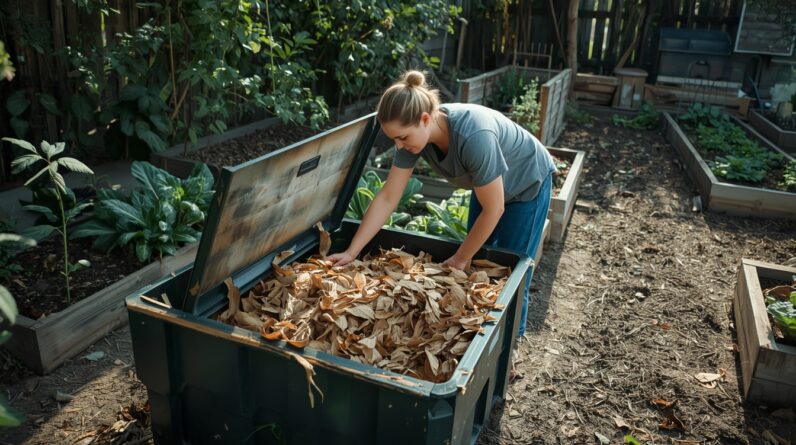
Late winter is a good time to prepare compost piles or refresh older compost bins.
Many homesteaders begin collecting materials such as:
- kitchen scraps
- leaves
- straw
- garden debris
By the time spring planting arrives, the composting process is already underway.
7. Practicing Simple Homestead Projects
This quieter time of year is also ideal for learning or practicing small homestead projects.
Some examples include:
- building simple garden trellises
- constructing raised beds
- repairing tool handles
- organizing garden storage areas
These small projects help develop useful skills while preparing the homestead for the busy months ahead.
The Quiet Season That Prepares Everything
Late winter may feel like a slow season, but it’s often one of the most valuable times for learning.
The few weeks before spring provide a rare opportunity to prepare without the pressure of an active growing season.
Practicing skills now makes it much easier to handle the work that comes once the weather warms and the garden starts growing again.
And by the time the first seedlings go into the soil, you’ll already be several steps ahead.