


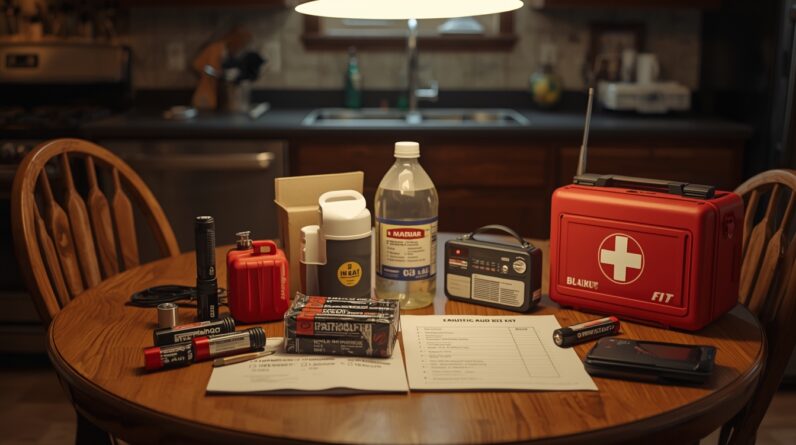
A few winters ago a powerful storm swept across several states and knocked out power to millions of homes.
For some families the lights were back on within a few hours.
For others, the outage lasted days.
The difference between a stressful situation and a manageable one often comes down to preparation. Many households simply aren’t ready when the power suddenly disappears. Phones die, refrigerators warm up, and people begin scrambling for flashlights and batteries.
That’s why experienced homeowners keep something simple but extremely useful: a printed blackout checklist.
When the power is out and internet access is unreliable, having a physical checklist makes it much easier to stay organized and work through the situation calmly.
Below is a practical checklist every household should consider keeping on hand.
1. Flashlights and Backup Lighting
When the power goes out, lighting becomes the first immediate need.
Every home should have several dependable light sources stored in an easy-to-reach location.
Good options include:
- LED flashlights
- headlamps
- battery-powered lanterns
Avoid relying on candles whenever possible. Open flames increase the risk of house fires during already stressful situations.
Check flashlight batteries a few times each year to make sure everything still works.
2. Backup Batteries
Many essential tools depend on batteries.
Your blackout kit should include spare batteries for:
- flashlights
- radios
- lanterns
- small fans
- other emergency devices
It’s a good habit to store batteries together in a dedicated container so they are easy to find during an outage.
3. Emergency Water Supply
Municipal water systems often rely on electricity for pumping and treatment. During extended outages, water pressure can become unreliable.
Most preparedness experts recommend storing at least one gallon of water per person per day.
For a typical family, that means keeping several days’ worth of water stored safely.
Water storage containers, bottled water, or large food-grade containers can all work.
4. Shelf-Stable Food
If the power goes out for an extended period, refrigerators and freezers eventually warm up.
Keeping a small supply of non-perishable food helps ensure your household can eat without relying on refrigeration.
Common options include:
- canned soups and vegetables
- rice or pasta
- peanut butter
- protein bars
- canned meats
Manual can openers are also important, since electric openers won’t work during an outage.
5. Portable Phone Charging
Modern households depend heavily on smartphones for communication and information.
Portable battery packs or small power stations allow phones to be recharged even when the grid is down.
Some households also use small solar chargers to replenish portable batteries during longer outages.
Maintaining communication is one of the most important parts of blackout preparedness.
6. Emergency Radio
When internet service goes down, traditional radio often becomes the most reliable source of information.
A small battery-powered or hand-crank radio can provide:
- weather updates
- emergency instructions
- local news about the outage
These radios are inexpensive and can be extremely valuable during widespread emergencies.
7. Backup Power for Essential Devices
Some households maintain small backup power systems to run critical equipment during outages.
These systems can power devices such as:
- medical equipment
- internet routers
- small heaters or fans
- lighting
Even a modest backup power system can make a significant difference during a blackout.
If you’re interested in building one yourself, we covered a simple example in our guide:
How to Build a Simple Backup Power System for Under $200
8. Basic First Aid Supplies
Accidents can happen more easily during blackouts when lighting is poor and conditions are stressful.
A basic first aid kit should include:
- bandages
- antiseptic wipes
- pain relievers
- medical tape
- gloves
Keeping these items together in a dedicated kit ensures they are available when needed.
9. Warm Blankets or Extra Clothing
Winter outages can cause indoor temperatures to drop quickly.
Warm blankets, sleeping bags, and extra clothing layers help households stay comfortable without relying on electric heating.
Even in warmer climates, nighttime temperatures can become surprisingly cold without power.
10. A Printed Emergency Contact List
Most people store phone numbers in their smartphones.
But during an extended outage, phones may lose power or internet access.
A printed contact list should include:
- family members
- neighbors
- local emergency services
- utility company numbers
Having this information available on paper ensures you can still reach help if needed.
Why Printing the Checklist Matters
Many preparedness guides exist online, but they aren’t always accessible during an outage.
When the power is down and internet service becomes unreliable, digital checklists can disappear instantly.
Printing your blackout checklist and storing it with your emergency supplies ensures it’s always available.
It also helps family members work through problems methodically rather than reacting in panic.
Preparation doesn’t eliminate power outages, but it makes them far easier to handle.
And as more households begin thinking about energy independence and backup power, simple preparedness steps like this become increasingly valuable.
In the next guide, we’ll walk through how to build a DIY battery bank safely, including the tools, wiring basics, and safety tips homeowners should know before starting.


